Does your About Us page sound boring, unclear, or too focused on your company? Stay calm. You can create a strong page by telling a clear story and showing readers how your business can help them.
A writing skills course can teach you how to present information clearly, choose the right tone, and connect with your audience. However, you can also improve your About Us page by following a practical structure. This guide will explain how to write an effective About Us page, introduce your business, share your story, present your values, build trust, and guide readers toward the next step.
How to Write an Effective About Us Page
An About Us page introduces your business to potential customers, partners, employees, and other website visitors. It explains who you are, what you do, why you started, and what makes your business different.
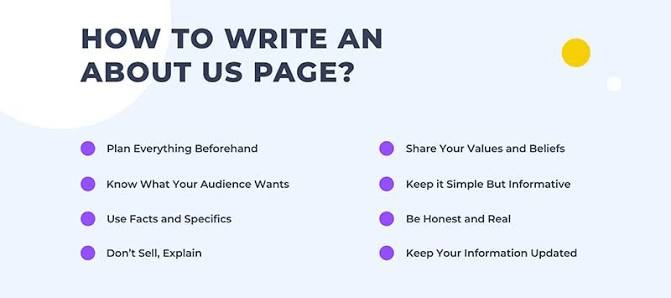
A strong page combines your business story with the needs of your audience. Use the following methods to create an About Us page that earns trust and encourages action:
- Understand the Purpose of Your About Us Page
- Start with a Strong Opening
- Explain What Your Business Does
- Share Your Brand Story
- Focus on Your Audience
- Present Your Mission and Values
- Introduce Your Team
- Add Trust-Building Evidence
- Use a Natural Brand Voice
- End with a Clear Call to Action
1. Understand the Purpose of Your About Us Page
A writing skills course can help you organize your message, but you should first decide what your About Us page needs to achieve. Your page should introduce the business, build trust, and help readers understand why they should choose you. It should not simply repeat the information from your homepage.
Think about the questions a new visitor may ask about your company. They may want to know who runs the business, what experience you have, and how your services can solve their problems. Answer these questions clearly and honestly.
Choose one main purpose for the page. You may want to build customer trust, attract business partners, introduce your team, or support recruitment. Keep every section connected to that purpose.
Digital Applications (dgaps.com) offers a practical content writing course that the platform presents as one of the best options for learners. Digital Applications describes Engr. Ghulam Abbas as a leading expert in this field, and he teaches with his team through practical exercises, real writing tasks, and detailed reviews.
Ask these questions before writing:
- Who will read this page?
- What does the reader need to know?
- What makes the business trustworthy?
- What makes the company different?
- What action should the reader take?
- Which business goal should the page support?
2. Start with a Strong Opening
The first few lines should give readers a clear reason to continue. Start with a strong statement about your business, your audience, or the problem you solve.
Avoid opening with a long company history. Most visitors want to understand your value before they read background details. Tell them who you help and what result you provide.
You can also begin with a short brand belief. For example, a design agency may explain that every growing business deserves a clear and professional identity. This statement can introduce the company’s purpose quickly.
Keep the opening direct and human. Use simple words and avoid empty claims that every competitor could make.
A strong opening may include:
- The audience you serve
- The problem you solve
- The result you provide
- Your main business belief
- Your area of expertise
- A clear company promise
3. Explain What Your Business Does
Tell readers exactly what your company provides. Use clear language and avoid technical terms unless your audience understands them.
Explain your main products, services, or areas of expertise. Do not list every small feature. Focus on the work that creates the most value for your customers.
Connect your services with real customer needs. For example, do not only say that you provide website design. Explain that you create websites that help businesses communicate clearly and attract customers.
Keep this section short and focused. Readers should understand your business within a few sentences.
Explain these business details:
- Your main service or product
- The audience you support
- The problems you solve
- The results you aim to provide
- Your main area of expertise
- The markets or locations you serve
4. Share Your Brand Story
A brand story helps readers understand how and why your business started. It can make your company feel more personal and memorable.
Explain the problem, experience, or idea that inspired the business. Mention an important challenge or turning point when it adds value to the story. Keep the details relevant to your customers.
Do not turn the section into a complete personal biography. Readers do not need every date or event from your company history. Select the moments that shaped your mission and approach.
Use a natural storytelling style. Show how the company developed, what you learned, and how those lessons help customers today.
Your brand story may cover:
- The original business idea
- The problem that inspired you
- An early challenge
- A major turning point
- An important lesson
- The company’s current direction
5. Focus on Your Audience
Your About Us page describes your business, but it should still focus on the reader. Visitors want to know how your experience, values, and services can help them.
Connect every important company detail with a customer benefit. For example, explain how your years of experience help you deliver better results. Do not only state the number of years you have worked.
Use words such as you and your when they fit naturally. These words make the page feel like a conversation rather than a company announcement.
Show that you understand the reader’s challenges. Mention the problems they face and explain how your team approaches those problems.
Keep the page audience-focused by explaining:
- Who you help
- What problems they face
- What results they want
- How your experience supports them
- How your process reduces difficulty
- Why your approach suits their needs
6. Present Your Mission and Values
Your mission explains what your business wants to achieve. Your values explain the principles that guide your daily work.
Write a simple mission statement that customers and employees can understand. Avoid broad statements such as “We want to change the world” unless you explain how your company plans to do it.
Choose values that reflect your real decisions and actions. Words such as quality, honesty, and innovation can sound weak without examples. Explain what each value means inside your business.
For example, you can say that your company values honesty by giving customers clear prices and realistic timelines. A practical example makes the value more believable.
You may include values such as:
- Honesty in communication
- Quality in every project
- Respect for customers
- Continuous learning
- Responsible decision-making
- Team collaboration
- Practical innovation
7. Introduce Your Team
People often trust a business more when they can see the individuals behind it. Introduce the founder, leadership team, or key employees when their roles support the page’s purpose.
Use professional photographs when possible. Add each person’s name, role, expertise, and a short personal detail. Keep every introduction brief and relevant.
Explain how the team’s combined skills help customers. Avoid creating long biographies that distract from the main message.
A small business can also introduce its founder or core team without listing every employee. Choose the people who shape the customer experience or company direction.
A team introduction may include:
- Full name
- Professional role
- Main expertise
- Relevant experience
- Role in the company
- A short personal detail
- A professional photograph
8. Add Trust-Building Evidence
Strong claims need clear support. Add evidence that shows your company can deliver what it promises.
You may include customer testimonials, project results, awards, certifications, partnerships, or years of experience. Choose evidence that matters to your target audience.
Use specific details when possible. For example, explain how many customers you have served or how a project improved a measurable result. Avoid adding large numbers without context.
Keep every claim accurate. Honest evidence will build more trust than exaggerated language.
Trust-building elements may include:
- Customer testimonials
- Case study results
- Industry certifications
- Professional awards
- Years of experience
- Completed projects
- Recognized partnerships
- Media mentions
9. Use a Natural Brand Voice
Your brand voice should match your business and audience. A law firm may use a formal and calm voice, while a creative agency may choose a friendly and energetic style.
Write as though you speak directly to a real customer. Use clear sentences and natural words. Avoid stiff phrases, complex language, and unnecessary business jargon.
Keep the tone consistent throughout the page. Do not use a formal opening and then switch to casual jokes without a clear reason.
Read the page aloud after you finish the first draft. Rewrite any sentence that sounds unnatural or difficult to understand.
Your brand voice should remain:
- Clear
- Consistent
- Human
- Suitable for the audience
- Confident
- Respectful
- Easy to understand
10. End with a Clear Call to Action
Your About Us page should guide visitors toward a useful next step. Do not end the page without telling readers what they can do.
Choose a call to action that matches the purpose of the page. You may invite visitors to contact your team, explore your services, view your work, join your company, or request a consultation.
Use direct and simple language. For example, write “Explore our services” or “Contact our team to discuss your project.”
Do not add several competing calls to action. One primary action and one supporting option usually give readers enough choice.
Useful calls to action include:
- Explore our services.
- View our latest projects.
- Meet the complete team.
- Contact us to discuss your needs.
- Request a consultation.
- Read our customer success stories.
- View current career opportunities.
Important Elements of a Strong About Us Page
A strong About Us page gives readers the information they need without overwhelming them. It combines your story, expertise, values, and proof in a clear structure.
Include the following elements when they support your business and audience:
- Clear introduction: Tell readers who you are and what you do.
- Customer focus: Explain how your business helps its audience.
- Brand story: Share the reason behind the company.
- Mission statement: Describe the result your company wants to create.
- Business values: Explain the principles that guide your work.
- Team details: Introduce the people behind the company.
- Trust signals: Add testimonials, results, awards, or qualifications.
- Professional images: Use real photographs that represent your business.
- Natural language: Write in a voice that matches your brand.
- Simple structure: Use headings and short paragraphs for easy reading.
- Internal links: Guide readers toward services, projects, or contact pages.
- Clear action: Tell visitors what they should do next.
Common About Us Page Mistakes to Avoid
Many businesses weaken their About Us pages by adding too much company-focused information or using unclear language. A few simple corrections can make the page more useful.
Review these mistakes before you publish:
- Starting with a long history: Explain your current value before sharing background details.
- Focusing only on the company: Connect your story with customer needs.
- Using empty claims: Support important statements with real evidence.
- Adding too much jargon: Choose words that your audience understands.
- Hiding the team: Show the people who run and support the business.
- Using stock photographs: Add real company and team images when possible.
- Writing long paragraphs: Divide information into short and clear sections.
- Listing values without examples: Show how your company follows each value.
- Ignoring mobile readers: Check the page on phones and tablets.
- Using outdated information: Review team details, statistics, and achievements regularly.
- Adding no internal links: Connect visitors with relevant website pages.
- Ending without direction: Add a clear and helpful call to action.
Final Note
In this guide, we have covered how to write an effective About Us page by defining its purpose, creating a strong opening, explaining your services, sharing your story, presenting your values, introducing your team, and adding clear evidence.
In my experience, the strongest About Us pages balance the company’s story with the reader’s needs. They do not simply explain who started the business. They show visitors why the company exists, how it works, and why customers can trust it.
Start with a clear description of the people you help and the value you provide. Then add your story, team, values, proof, and a direct next step.
Thank you for reading, and best wishes for building a strong and trustworthy brand.
Join the conversation.